How High-Purity Iron Influences Microstructure in Rare Earth Magnets
- Pavan K
- 0 Comments
Rare earth magnets such as NdFeB and SmCo are valued for their exceptional magnetic strength, compact size, and reliable performance. However, their performance depends on more than rare earth elements alone. Iron forms a major part of many magnet alloys, making its purity and physical characteristics important during alloy preparation. Iron powder for Rare Earth Magnets with controlled chemistry can support better microstructural development, consistent grain formation, and reliable magnetic properties in demanding applications.
Industrial Metal Powders India Pvt. Ltd. (Industrial Metal Powders India Pvt. Ltd.) has been manufacturing high-purity iron materials for more than five decades. Its electrolytic iron flakes are produced through controlled electrodeposition and supplied for demanding metallurgical and industrial applications.
“A strong rare earth magnet begins with careful control of the materials that shape its microstructure.”
Why Does Iron Purity Matter in Rare Earth Magnet Microstructure?
Microstructure refers to the arrangement of grains, phases, and boundaries within a material. In rare earth magnets, this structure directly influences properties such as coercivity, remanence, magnetic stability, and durability.
During alloy production, impurities can interfere with melting, phase formation, and grain development. High-purity iron provides a cleaner starting material, helping manufacturers maintain greater control over the alloy’s composition and resulting microstructure.
Key benefits include:
- Finer grain development: Controlled raw materials can support the formation of suitable grain structures required for strong magnetic performance.
- Reduced unwanted inclusions: Lower impurity levels help minimize non-magnetic phases that can interfere with magnetic properties.
- Better alloy consistency: Uniform iron chemistry supports repeatable melting and alloy formation across production batches.
- Improved rare earth utilization: Cleaner iron helps manufacturers use valuable rare earth elements more efficiently during alloy preparation.
For example, NdFeB magnets used in EV motors require carefully controlled microstructures because grain size and grain boundaries strongly influence coercivity and resistance to demagnetization.
How Do Electrolytic Iron Flakes Support Magnet Manufacturing?
Electrolytic iron flakes are produced through an electrochemical deposition process, allowing manufacturers to achieve high purity and controlled material characteristics. Their form and purity make them suitable for processes such as induction melting and alloy preparation.
When clean iron is introduced into a rare earth alloy, it can melt consistently and contribute to more homogeneous composition. This is important when manufacturers are targeting specific magnetic properties and need predictable microstructural development.
Real applications include:
- Electric vehicle motors: High-performance NdFeB magnets require controlled alloy composition and microstructure for efficient motor operation.
- Wind turbine generators: Strong permanent magnets support compact generator designs and reliable energy conversion.
“Cleaner iron feedstock gives magnet manufacturers greater control over alloy formation, grain structure, and final magnetic performance.”
What Makes Quality Control Important in Magnet Manufacturing?
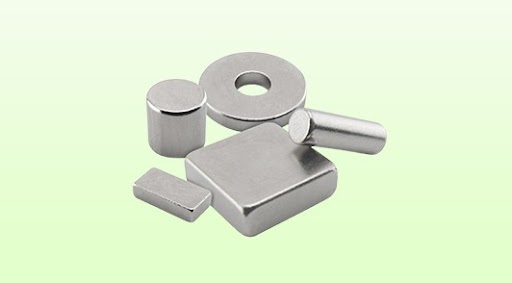
Magnet manufacturing involves tightly controlled material ratios, melting conditions, cooling rates, and heat-treatment processes. Even small variations in iron purity or residual elements can influence the final microstructure.
Industrial Metal Powders India Pvt. Ltd. maintains quality controls throughout production to help ensure consistent electrolytic iron materials. Chemical composition, particle characteristics, and relevant physical properties are monitored to support dependable batch-to-batch performance.
Why Quality Control Matters
- Controlled chemistry: Helps maintain consistent alloy composition during rare earth magnet production.
- Low residual elements: Reduced sulfur, phosphorus, oxygen, and other unwanted elements support cleaner metallurgical processing.
- Consistent material structure: Uniform flakes contribute to predictable handling, melting, and alloy preparation.
- Batch testing: Testing helps verify that supplied materials meet defined specifications before reaching manufacturers.
“Microstructural consistency cannot be separated from raw-material consistency; both are essential for dependable magnet production.”
Key Benefits of High-Purity Electrolytic Iron Flakes
- Improved Magnetic Performance: Cleaner iron can support suitable grain structures and reduce unwanted phases that may negatively influence magnetic properties.
- Better Alloy Homogeneity: Consistent chemical composition promotes uniform melting and helps manufacturers achieve repeatable rare earth alloy characteristics.
- Microstructure Control: Controlled purity supports the development of fine, uniform grains that contribute to high coercivity and stable magnet performance.
- Reduced Contamination: Lower levels of unwanted elements help minimize non-magnetic inclusions and potential defects within the finished alloy.
- Higher Production Consistency: Reliable raw-material characteristics help reduce variations between manufacturing batches and improve overall production control.
- Efficient Processing: Electrolytic iron flakes can offer favorable melting characteristics for controlled alloy preparation and advanced metallurgical applications.
Conclusion
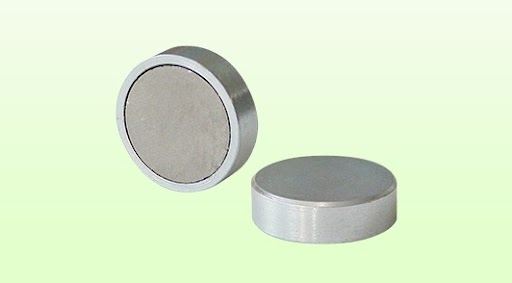
High-purity iron plays an important role in controlling the microstructure of rare earth magnets. By providing cleaner chemistry and consistent material characteristics, it helps manufacturers maintain greater control over alloy formation and grain development.
- Cleaner raw materials support controlled alloy formation.
- Lower impurities help minimize unwanted inclusions.
- Consistent chemistry promotes repeatable manufacturing.
- Controlled microstructure supports magnetic strength and coercivity.
- Electrolytic iron flakes provide a reliable material for advanced magnet applications.
For manufacturers seeking high purity iron powder manufacturer capabilities backed by controlled production and quality assurance, Industrial Metal Powders India Pvt. Ltd. provides high-purity electrolytic iron materials for demanding rare earth magnet and metallurgical applications.